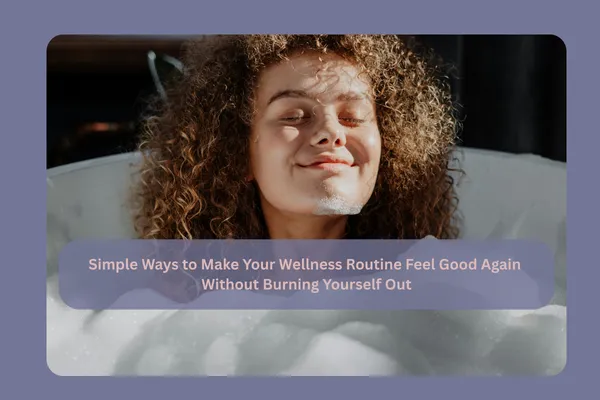
Simple Ways to Make Your Wellness Routine Feel Good Again, Without Burning Out
And why that matters more for your work, energy, and hormones than you’ve been told
A wellness routine is meant to support you, not wear you down.
But at some point, many high-achieving women realize something quietly uncomfortable:
what started as self-care now feels like another obligation on the to-do list.
If you’ve ever found yourself sticking to habits that no longer feel helpful just because you think you’re supposed to, you’re not alone. I see this all the time in my work and in myself, women who are incredibly capable professionally, yet exhausted by wellness routines that stopped evolving as their lives did.
Here’s the truth most wellness conversations miss:
feeling good is not a bonus, it’s a biological requirement for sustainability.
And when your wellness routine stops feeling good, your hormones, energy, focus, and even your professional performance feel it too.
A wellness routine works best when it evolves with your hormones, energy, and season of life, not when it’s rigid, joyless, or disconnected from how your body actually feels. The most sustainable routines support both your well-being and your ability to think clearly, lead well, and show up fully in your professional life. Below are a few things I want you to look and think about if you feel that your current wellness routine is feeling heavy.
Check In With What’s No Longer Working
Start by being honest with yourself. What parts of your routine feel forced, repetitive, or disconnected from how you actually feel in your body?
If you’re doing something every single day simply because it used to work, that’s often a sign it needs adjusting. This is especially true hormonally. What supports your nervous system, cortisol levels, and energy at one stage of life may quietly drain you at another.
Let go of the idea that removing something means failure. Sometimes it’s not discipline you need, it’s recalibration.
From a professional standpoint, this matters more than most women realize. When your body feels chronically misaligned, decision-making gets harder, patience runs thinner, and creativity drops. Updating your routine is often the fastest way to restore clarity and confidence.
Bring Joy Back Into the Routine (Yes, Joy Is Strategic)
Joy is not optional. It’s regulatory.
When wellness is only about being “healthy,” “productive,” or “optimized,” the nervous system stays in performance mode and over time, hormones like cortisol stay elevated.
Whether it’s dancing, hiking, journaling, walking without a podcast, or cooking a meal you genuinely love, joy sends a powerful signal to your body: you’re safe.
We’re even seeing this conversation show up culturally. Celebrities like Jennifer Aniston and Drew Barrymore have openly shared that their current wellness focus isn’t intensity, it’s enjoyment, sustainability, and nervous-system support. Less punishment, more pleasure.
Joy improves mood, yes, but it also improves motivation, resilience, and how you show up at work. A routine that includes joy is one you’ll actually maintain.
Focus on What Feels Nourishing, Not Just “Good for You”
There’s a difference between something that looks healthy and something that actually supports your body.
Cold smoothies, high-intensity workouts, and packed wellness schedules are popular, but they’re not universally supportive, especially for women dealing with hormonal shifts, stress, or mental fatigue.
Your body gives feedback constantly. Energy after a habit matters more than trends.
From a professional lens, nourishment directly impacts stamina, focus, and emotional regulation. When your wellness routine supports blood sugar balance, stress hormones, and sleep quality, your workday feels lighter, not heavier.
Let Go of Rigid Rules and Schedules
Rigid routines often backfire.
If your wellness routine feels like something you can “fail,” it’s no longer serving you. Flexibility allows your habits to adapt with your energy levels, deadlines, travel, and real life.
This flexibility is especially important hormonally. Your energy isn’t linear and pretending it should be creates unnecessary pressure.
You can move your body without a 60-minute plan.
You can eat well without micromanaging every bite.
You can support your health without perfection.
And when wellness stops feeling like a performance, leadership becomes easier too.
Rotate Practices to Keep Things Fresh
Repetition without variation leads to burnout in wellness and in work.
Rotating practices keeps your routine engaging and responsive. For example:
Gentle stretching one day, a nature walk the next
Journaling one morning, meditation another
Trying a new nourishing recipe once a week
Switching between morning and evening self-care
Alternating active days with full rest days
This kind of variety supports different hormone patterns, muscle recovery, and mental focus while also preventing the “ugh, I have to do this again” feeling.
Make Space for Rest Without Guilt
Rest is not something you earn.
If you only allow rest once everything else is done, your body never fully downshifts. Chronic guilt around rest keeps stress hormones elevated, which directly affects sleep, mood, metabolism, and cognitive clarity.
From a professional standpoint, rest is a performance tool. Well-rested women think faster, communicate more clearly, and lead with more presence.
Whether it’s a slower morning, a quiet evening, or a full day off, rest belongs inside your wellness routine, not outside of it.
Reconnect With Why You Started
When routines stop feeling good, it’s often because the original intention got lost.
Maybe you started for more energy. Better sleep. Less stress. A stronger connection to yourself.
Over time, “doing it right” replaced why you were doing it at all.
Reconnecting with that original reason helps realign your habits with your current goals personally and professionally. You don’t need to impress anyone with your wellness routine. You need it to support the life you’re actually living now.
Choose What Supports You Now, Not What Once Did
Your needs change. Your hormones change. Your responsibilities change.
What supported you last year may not support you now and that’s not a problem, it’s information.
The most sustainable wellness routines grow with you. They respond to stress levels, seasons of life, and evolving goals instead of fighting them.
That adaptability is what allows wellness to last and why it becomes an asset rather than another obligation.
Questions you may be asking:
How do hormones affect whether a wellness routine feels good or draining?
Hormones influence energy, stress response, sleep, and motivation. When routines don’t match your hormonal needs, they can increase fatigue instead of relieving it.
Is it okay to change my wellness routine often?
Yes. Regular check-ins prevent burnout and help your routine stay aligned with your current season of life and workload.
Can a flexible wellness routine really support professional performance?
Absolutely. Routines that support nervous-system regulation and energy balance improve focus, decision-making, and resilience at work.
